Tile & Grout Care for Cleaner Floors in {location}
Ceramic and porcelain tile floors are known for their durability and easy maintenance—but the grout between the tiles often tells the real story about how well those floors are being cleaned.
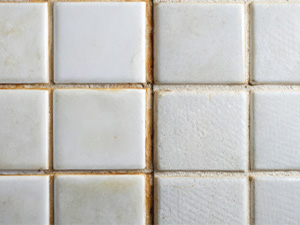
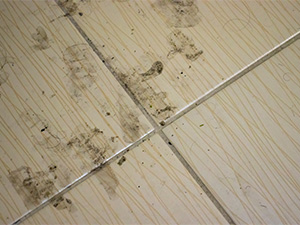
When grout begins to darken or look uneven, it usually means dirt, moisture, and cleaning residue have slowly built up over time.
Tile floors are commonly used in homes, hotels, offices, and commercial properties because they can withstand heavy use. However, while the tiles themselves are dense and resistant to stains, grout behaves very differently.
Grout is porous and absorbent. Because of this, it collects soil, spills, cleaning chemicals, and moisture from everyday activity. Over time, grout lines can reveal patterns of wear and cleaning habits that are not always visible on the tile surface itself.
Quick Takeaways
- Grout is porous and absorbs dirt, moisture, and residue.
- Dirty mop water often pushes contaminants into grout lines.
- Routine cleaning helps, but deep buildup can remain trapped.
- Professional cleaning and sealing can restore grout appearance.
Why This Matters
When grout becomes discolored, the entire floor can appear dirty—even when the tile itself is clean. This is one of the most common frustrations homeowners and property managers experience with tile flooring.
Understanding how grout behaves helps prevent unnecessary damage, improves cleaning results, and extends the life of the entire tile installation.
What Causes the Problem
Most tile floors installed today use man-made materials such as ceramic or porcelain tile. These tiles are dense and relatively non-porous, which means dirt tends to remain on the surface where it can be wiped or mopped away.
Grout, however, contains microscopic pores that easily absorb contaminants.
Common contributors to grout discoloration include:
- Dirt tracked in from foot traffic
- Dirty mop water spreading residue across the floor
- Cleaning chemicals leaving film behind
- Hard water minerals settling into grout
- Moisture in kitchens and bathrooms encouraging mildew
- Worn or missing grout sealer allowing stains to penetrate
Because grout sits slightly lower than the tile surface, it naturally becomes a collection point for soil and residue.
Signs Your Surface Needs Attention
Grout often shows the earliest signs that tile floors need deeper cleaning or maintenance.
Common warning signs include:
- Grout lines appearing darker than their original color
- Blotchy or uneven grout appearance
- Floors that still look dull after mopping
- Stains that do not improve with regular cleaning
- Musty odors in moisture-prone areas
When these signs appear, it often means dirt has penetrated deeper into the grout than routine cleaning can remove.
A Common Real-Life Scenario
Imagine mopping your kitchen floor every week, yet the grout still looks darker than when the tile was first installed.
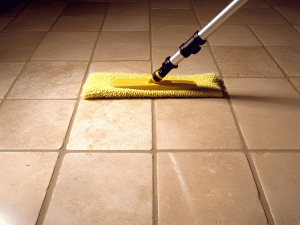
This happens because mop water often carries dirt and detergent across the floor. While the tile surface may look clean, the grout absorbs much of that residue over time.
Eventually, the grout begins to change color—even though the floor is being cleaned regularly.
Why DIY Cleaning Often Falls Short
Many homeowners try stronger cleaners or intense scrubbing when grout becomes discolored. While this may help remove surface soil, it rarely removes contaminants embedded deeper in the grout.
DIY cleaning methods can fall short because:
- Most store-bought cleaners work only on surface residue
- Some products leave behind detergent film
- Scrubbing often cleans unevenly across large areas
- Strong chemicals can weaken grout over time
As buildup continues, grout may appear permanently stained even though it can still be restored.
Did You Know?
Many grout lines are never sealed after installation. Without a protective sealer, grout can absorb dirt, spills, and cleaning residue much more quickly.
Sealing grout helps create a protective barrier that slows this absorption and makes routine cleaning more effective.
How Professionals Address the Issue
Professional tile and grout restoration services use specialized equipment designed to remove soil from deep within grout pores.
A professional service may include:
- Deep extraction cleaning that lifts embedded contaminants
- Professional-grade cleaning solutions designed for tile and grout
- Controlled high-pressure rinsing systems
- Application of grout sealer to reduce future staining
- Grout color sealing to restore consistent grout color
Grout color sealing can be especially helpful when grout has become permanently stained or uneven. It restores uniform color while adding a protective layer that helps resist future soil buildup.
Professionals trained in tile and grout care, such as the specialists at {companyname}, understand how to properly restore and protect these surfaces.
Tile & Grout Care Checklist
Simple maintenance habits can help keep tile floors looking cleaner longer:
- Use neutral-pH cleaners designed for tile surfaces
- Change mop water frequently during cleaning
- Avoid heavy detergent cleaners that leave residue
- Clean spills quickly
- Dry moisture-prone areas when possible
- Reseal grout periodically
These habits reduce the amount of dirt that settles into grout lines.
Frequently Asked Questions
Q. Why does grout get dirty faster than tile?
A. Grout is porous and absorbs dirt, oils, and moisture more easily than ceramic or porcelain tile, which is much denser.
Q. Does mopping clean grout effectively?
A. Mopping helps remove dirt from tile surfaces, but dirty mop water can settle into grout lines and gradually discolor them.
Q. Can stained grout be restored without replacing it?
A. Yes. Professional cleaning and grout color sealing can often restore the appearance of stained grout without removing the grout itself.
When to Call Your PRO
Even well-maintained tile floors will eventually require professional attention, especially in kitchens, entryways, bathrooms, and commercial environments.
Professional service may be recommended when:
- Grout remains dark after routine cleaning
- Stains appear permanent
- The floor looks dull or uneven
- Grout has never been sealed
- Large areas of tile require restoration
Periodic professional cleaning and sealing can extend the life of grout and keep tile surfaces looking their best.
Conclusion
Ceramic and porcelain tile floors are designed to be durable and attractive, but the grout between the tiles requires thoughtful care. Because grout absorbs dirt, moisture, and cleaning residue, it often reflects the long-term effects of everyday cleaning habits.
With proper maintenance—and professional care when needed—tile and grout surfaces can remain clean, bright, and functional for many years.
By Deborah Shaw Nelson. This article is one of a series of Caring For It™ articles written and published on behalf of Surface Care PRO Partners.