
How Does Sand Get Under Carpet?

How Does Sand Get Under Carpet?

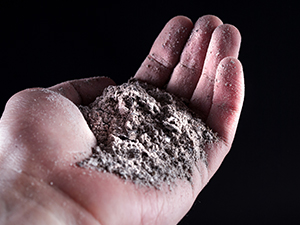
People who replace carpeting or carpet padding are usually surprised to see a thick layer of what looks like playground sand underneath the carpet. A bit of sand is inevitable, but too much of it can cause premature carpet wear. How does this happen? Is there any way to minimize the problem?

Let’s Dig Into This Sand Problem

The layer of loose granular material under your carpeting is not quite the same as sand on a beach, in the desert, or in a playground sand box. All kinds of additional components can be found in the dusty stuff under carpeting, including the following:

  • Airborne dust particles(road dust, pollen, pollution, etc.) can come in through open windows. Carpeting acts like a filter, trapping the particles, which eventually accumulate and settle.
  • Pet and human hair and dander, composed of skin flakes, gets trapped in carpet fibers.
  • Insectsusually do not live in carpeting. They can get trapped in carpeting or die and fall down to the floor.
  • Microscopic organismscan actually live and die on almost any surface, including carpeting.
  • Carpet adhesive, over the course of time and in certain conditions, can become very hard and brittle. Foot traffic breaks up and dislodges little bits of this material.
  • Textile fibersfrom paper products, clothing, draperies, upholstered furniture, and carpet pile can settle in and under carpeting.

Without proper carpet care, all these components settle down to the lowest level in and, eventually, under carpeting.

Are Hard Floors Better?

One might imagine that the sand problem can be resolved by getting rid of carpeting altogether and installing a hard surface, but there are other factors to consider.

If sand remains on a hard surface, it will be unpleasant underfoot, give the floor a dirty appearance, and eventually result in dullness and scratches. If sand remains in carpeting, it will result in premature wear of carpet fibers. People tend to notice sand on a hard surface whereas carpeting disguises the problem. Either way, the sand problem must be addressed.

Hard flooring must be swept and mopped often and periodically professionally cleaned.

Carpeting must be vacuumed often and periodically professionally cleaned. Carpeting, unlike hard flooring, dampens sound, feels soft underfoot, creates a cozy, welcoming atmosphere, and can improve indoor air quality. Dr. Michael Berry, an environment and public health educator, writer, and science advisor, noted in the Journal of Cleaning, Restoration and Inspection that “six different field demonstration studies over the past twenty-five years indicate that a properly designed and scheduled carpet cleaning program that emphasizes extraction” will ultimately improve indoor air quality.

Tips to Avoid and Remove Excess Sand

At home, remove shoes, if possible, before entering. For residences where shoe removal is not preferred and for commercial properties, place high quality mats at entrances. Excess sand and grit will be deposited on the mats instead of your carpeting.

Vacuum upholstery and carpeting often, and if possible, use a rotating brush. The bristles help dislodge embedded particles from textile fibers.

Avoid using DIY carpet cleaning machines. The wrong type or the wrong amount of cleaning solutions can result in residue on carpet fibers that will act like a dirt magnet. Improper cleaning methods can drive sand further down into the carpet pile and backing.

Have your carpets professionally cleaned every six month to a year, adjusting the frequency according to the amount of traffic in and out of your home or business. Professional technicians use powerful and effective cleaning equipment and methods to remove sand from carpeting and achieve the best possible results.


This article is one of a series of articles written and published on behalf of Surface Care PROS Partners.

Tips for Products Commonly Used on Carpet

Tips for Products Commonly Used on Carpet

There are many products on the market today that people commonly use on carpet, from deodorizers and powders to stain sprays, protectants, and antistatic treatments. Some of these products may adversely affect carpeting. Here are some tips for avoiding carpet damage or premature wear.

Powdered Carpet Deodorizers

The most common cause of carpet damage and premature wear is dirt and grit. Any kind of abrasive particles, such as those found in the ingredients of powdered carpet deodorizers, act like tiny shards of glass that break and sever carpet fibers. Although the majority of powdered deodorizers are vacuumed up, some of the powder residue will inevitably remain in your carpeting. That’s part of the reason why the scent stays put long after you vacuum. The perfumed grit is activated when it is jostled around by foot traffic, and although it masks the odor problem, it doesn’t resolve the problem at all — and it creates a new problem. So when you sprinkle that pleasant scent, remember that you are, in effect, sprinkling damage and premature wear all over your investment.

How to Deodorize Your Carpet

Carpet odors are caused by contaminants, such as pollen, dander, food crumbs, and the like, that are trapped in your carpet fibers and backing. Thoroughly vacuuming your carpets on a regular basis, even when the carpet does not look dirty, and having your carpets periodically professionally cleaned should help keep odors at bay. You may also consider that the source of odors is something other than the carpet. Try using a HEPA filter in your HVAC system and make sure your home is properly ventilated, leave shoes in a mudroom or outside, keep your pets clean, and investigate any other potential odor sources.

Baking Soda

Nahcolite is a mineral commonly known as baking soda. Sprinkling your carpet with baking soda is essentially the same thing as sprinkling your carpet with minerals or sharp little rock ingredients. The potential abrasive damage is comparable to that of powdered carpet deodorizers. Baking soda is popular for DIY cleaning, and rightly so, because it can be highly effective, but it is not ideal for regular use on carpets.

If you choose to use baking soda on your carpet, we recommend that you only use it mixed with water to spot clean a small area. Once you are finished, you will also need to clean the treated area to remove any residual mineral particles. Apply enough plain water to moisten the treated area (do not saturate), blot dry with paper towels or a white cloth, and repeat this process several times. Once the carpet is completely dry, vacuum the treated area thoroughly.

Pet Odor Treatments

Sometimes, even after thoroughly cleaning a pet accident, odors persist. The uric acid in pet urine binds tightly with absorbent substances like carpet fibers and backing, and in the worst cases, the padding. Foot traffic or any change in humidity can reactivate the odor. The best way to get rid of persistent pet odor is to have your carpet professionally cleaned. Ask your carpet cleaning technician to do a spot treatment in trouble areas. If a pet accident penetrates too deeply into carpet padding, the odor can only be removed if the padding is replaced.

Spot Cleaners

If you choose to use a spot cleaner for your carpet, be sure to select one that is appropriate for your type of carpet by comparing details from the carpet manufacturers information with the spot cleaner product label. Use the appropriate amount, because too little can be ineffective and too much can leave a film that attracts and traps dirt and contaminants. This extra layer of residue can be unsightly and cause premature wear.

Anti-Static Treatments

The ingredients in anti-static treatments on carpet fibers can act like dirt magnets. Use a humidifier instead.

Harsh Chemicals and Abrasive Cleaners

Any product not specifically designed for carpet cleaning and care can cause damage. If you are going to use a chemical or cleaning product not specifically designed for carpet cleaning, be aware that you are taking a risk. White vinegar, mild dish detergent, peroxide, and OxiClean™ may be appropriate in some circumstances, but always test the product in an inconspicuous area first.

Carpet care products can cause carpet damage or premature wear. Follow the tips in this article to help preserve the life of your investment. For more information on carpet care, download our free Carpet and Interior Textiles Care Guide, and we are always just a phone call away.

How to Get Dye Stains Out of Carpet

Dye stain? No worries. Dyes can be removed from carpet.

Dyes are found in many foods, drinks, and other items, such as magic markers, health and beauty products, cleaning solutions, and decorative items. When dyes end up on your carpet or upholstery, they can be difficult to remove if improper methods are employed. Here are our PRO tips for getting dye stains out.

Blot. Blot. Blot. Then Blot Even More.

Use a white cloth or paper towels to blot as much of the dye as you can. Follow this with putting a few drops of cold water directly onto the dye stain. The water will help dilute remaining dye. Continue with blotting, using a clean section of the cloth or towel each time. Do not rub! Just blot, drip a little water, and blot some more, over and over until no more of the stain is transferring to the cloth or towel.

IMPORTANT!

Don’t forget to test: Of course, your stains don’t always cooperate by appearing in inconspicuous areas, but do keep in mind that it is always recommended that you first test any cleaning solution on a portion of carpet or upholstery that is out of the way, such as a closet or the under side of furniture. Do not use these methods on wool, leather, or silk carpeting or rugs.

The following methods are great for dyes and a host of other tough stains. You will likely need to repeat the process several times to completely remove the dye. Stain removal takes patience and persistence.

The Dish Soap and White Wine Vinegar Solution Method

  1. Pour two cups of warm water into a bowl. Stir in a tablespoon of white vinegar and another tablespoon of dishwashing liquid.
  2. Dip a sponge into the bowl and wring out well. Then begin applying the solution directly onto the dye stain. You should see immediate lifting of the stain, but continue blotting until the stain has lifted completely.
  3. Follow with blotting the area with clear water, then blotting dry with a clean white towel or paper towels.

Peroxide and Dish Detergent Solution Method

  1. Pour two cups of warm water into a bowl. Stir in half of a cup of 3% hydrogen peroxide and a tablespoon of dishwashing liquid.
  2. Dip a sponge into the bowl and wring out well. Then begin applying the solution directly onto the dye stain. You should see immediate lifting of the stain, but continue blotting until the stain has lifted completely.
  3. Follow with blotting the area with clear water, then blotting dry with a clean white towel or paper towels.

OxiClean™ Carpet & Area Rug Stain Remover

  1. Spray enough of the product to saturate the dye stain.
  2. Allow the product to dwell for 10 minutes.
  3. Blot the area dry with a clean white towel or paper towels.
  4. Follow with blotting the area with clear water, then blotting dry with a clean white towel or paper towels.

Let your carpet and upholstery cleaning PRO help: On your next scheduled cleaning, show your technician the area. Any remaining stain residue can be treated and cleaned.


This article is one of a series of articles written and published on behalf of Surface Care PROS Partners.
Carpet Spot Removal Can Create New Spots

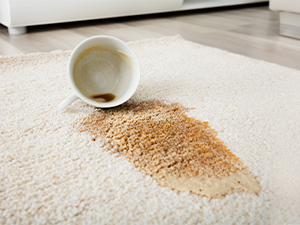
If you own carpeting, you are probably familiar with the idea that spots should be removed right away before they turn into permanent stains. Sometimes spot removal, especially if you are removing several spots at once, gives carpeting an inconsistent appearance. Here are the details about what causes this problem and what you can do about it in the future.

Too Clean

With successful spot removal, the soiling substance is removed, leaving the treated area clean and fresh. The problem is that if the surrounding carpet looks dull and dingy, you’ve simply exchanged one kind of spot for another, a dirty spot for a clean spot. Obviously, a clean spot is not a stain. Nevertheless, due to the noticeable difference between the clean area and the rest of the carpet, it might as well be. The solution is to have your carpet professionally cleaned. Dust, dirt, and contaminants that stubbornly cling to carpet fibers can be extracted with professional carpet cleaning, leaving the entire carpet clean and fresh. Note that you will also need to increase the frequency of vacuuming, because it is not always easy to see how dirty carpet really is.

Spot Remover

When inappropriate DIY cleaning methods or improper cleaning solutions are used for spot removal, carpet fibers may become discolored or bleached, causing an inconsistent appearance. With discoloration, professional cleaning may resolve the problem. However, don’t delay in scheduling services, because the substances causing discoloration can set into the carpet fibers permanently. With bleaching, professional cleaning will not likely help. The reason for this is that bleaching removes color from the carpet, and there is no way that professional cleaning will put the color back.

Aggressive Methods

Scrubbing spots too aggressively or using abrasive cleaners, scouring pads, or stiff brushes for spot removal can result in damage to carpet fibers. When carpet fibers are bent, frayed, or missing in the treated area, but the carpet fibers in the surrounding area are still in tact, there can be noticeable variation in the appearance of the carpet. Professional carpet cleaning will not resolve this problem, but it may help disguise the problem by lifting and freshening the carpet fibers in the damaged area.

Protective Treatments

If spot removal is frequently necessary, and your carpet is more than two or three years old, you may also consider having us apply a protective treatment. New carpets are usually treated with stain and soil resistors, but these wear off with time and use. Consider having a us re-apply the treatment after professional cleaning, because it can help make spots easier to remove and less likely to turn into stains.

Feel free to contact us if you have any questions about spot removal or to schedule services after a spot removal mishap.


This article is one of a series of articles written and published on behalf of Surface Care PROS Partners.